SQS-TH-I · SQS-Sensor
A USB-powered LoRa node with the sensor built in. Plug it into any 5 V / USB source where you have power but can’t run data wiring — it reports temperature and humidity over a self-healing mesh, and doubles as an always-on relay for other nodes.
NT$1,200 Coming soon
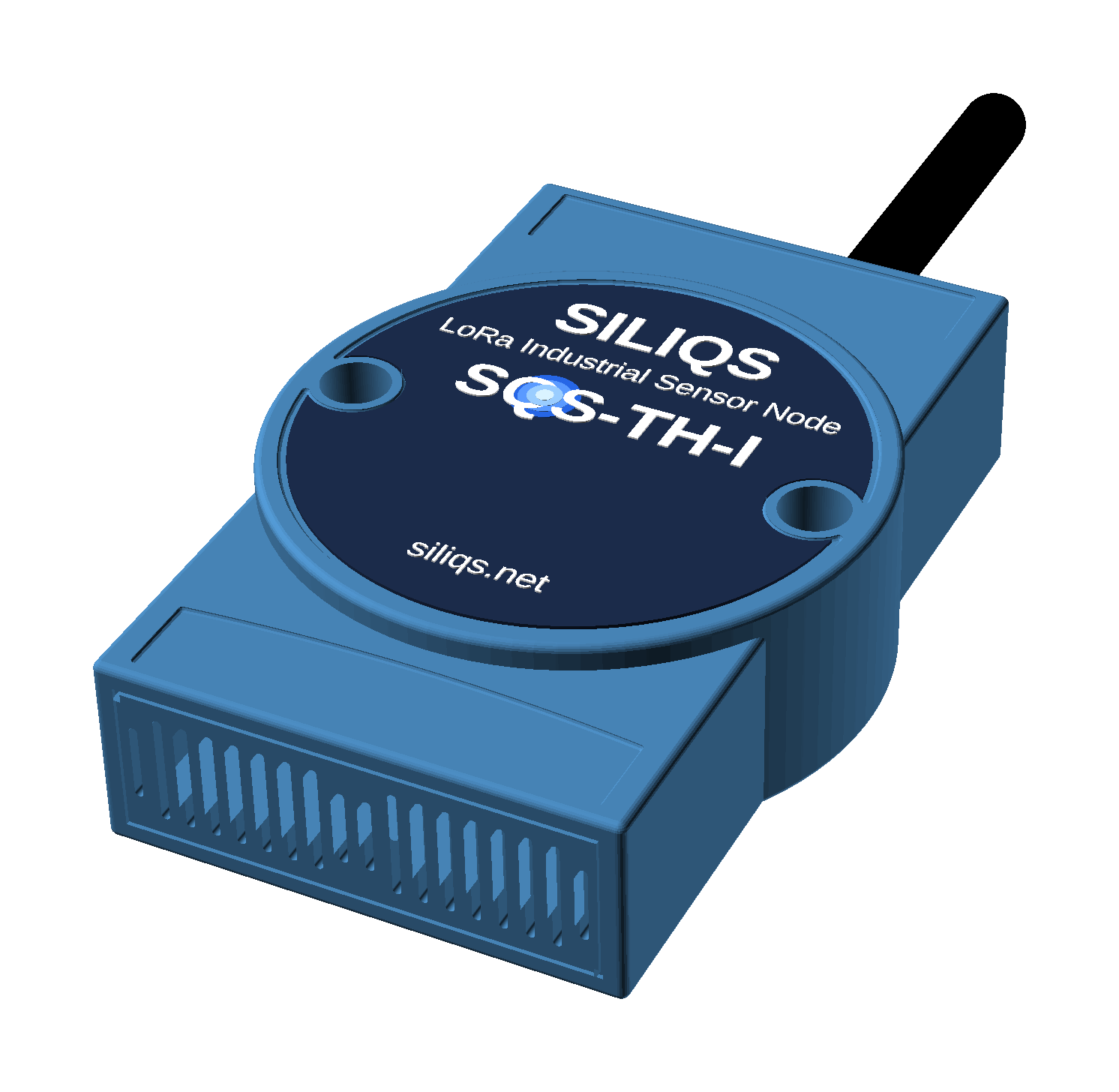
Preliminary datasheet (Rev 0.1), issued before hardware prototyping. Electrical and in-enclosure sensing figures are estimates and will be finalised after characterisation.
You’re looking at SQS-TH-I — the USB-powered base version (no internal battery). Need it to run where there’s no power? The SQS-TH-I-B adds an internal 18650 battery for years of untethered, drop-and-report operation.
The SQS-Sensor line
SQS-Sensor is the built-in-sensor sibling of our SQC485Iv2 RS485 node: the same radio, power and enclosure platform, with the RS485 terminal block swapped for an on-board environmental sensor.
| SQC485Iv2 | SQS-TH-I (this product) | |
|---|---|---|
| External interface | 4-pin terminal block (power + RS485 A/B) | None — bottom-end sensing slots |
| Data source | Third-party Modbus / RS485 instrument | Its own built-in temp/humidity sensor |
| Power | 8–30 V panel power or USB-C | 5 V USB-C — no internal battery |
| Setup | Build a config from the Modbus table | Works out of the box — no decoding table |
| Shared | MCU · LoRa radio · USB-C · BLE · enclosure tooling · firmware skeleton · Ø70 label face | |
A wireless temperature & humidity node for spots that have power but no data drop — server rooms, workshops, panels, greenhouses, mezzanines.
A TI HDC1080 digital sensor sits inside the enclosure (typ. ±0.2 °C, ±2 % RH). No external transmitter and no decoding table — it just reports temperature and humidity.
Runs off any 5 V USB-C source, so it never sleeps for battery reasons — ideal where power is already there but running data cable isn’t. No cell to replace. Add an 18650 and it becomes the SQS-TH-I-B.
Because it’s mains-powered it can run as a Meshtastic router — extending your mesh and forwarding neighbours’ data while it also reports its own readings. No dedicated relay hardware.
The sensor has an integrated heater that automatically drives off condensation above 95 % RH — so readings stay usable in humid, dew-prone spots.
Set it up in the field over USB Type-C or BLE 5.0 from a phone or browser — no re-flashing, no laptop toolchain. USB-C also gives console access.
Our free cross-platform gateway (Linux / macOS / Windows) reads the mesh over USB or BLE and forwards to your own MQTT broker → database, Node-RED or Grafana. Standard payloads, no cloud lock-in.
The board already carries the 18650 cutout, TP4054 charger and power-path — the base SQS-TH-I simply ships without the cell. For untethered, battery-powered operation choose the SQS-TH-I-B (NT$2,200), which runs for years on one charge in the power-save profile.
Selected highlights — see the datasheet for the full tables. Preliminary (Rev 0.1).
| Sensor | TI HDC1080 temperature + humidity (I²C 0x40); typ. ±0.2 °C, ±2 % RH; integrated anti-condensation heater |
|---|---|
| Wireless | LoRa® (Semtech SX1262, long-range) + BLE 5.0 |
| Network | Meshtastic® — default BW 500 kHz / SF9 at 922.5 MHz |
| Frequency | 920 – 925 MHz |
| Max TX power | +22 dBm (firmware-configurable) |
| MCU | ESP32-C3 (32-bit) |
| Supply | 5 V USB-C (≥ 500 mA); no internal battery. Battery cutout, TP4054 charger and power-path present but unpopulated — add an 18650 for the SQS-TH-I-B. |
| Operating mode | Always-on (mains-powered); can run as a Meshtastic router / relay |
| 2.4 GHz | BLE 5.0 (internal antenna) |
| Enclosure | Shared SQC485Iv2 body, Ø70 label face; bottom sensing slots; NOT waterproof (indoor / sheltered use) |
| Dimensions | Body 60 × 102.5 × 23 mm; Ø70 front label face; 2 × Ø3.5 mounting, 55 mm pitch |
| Operating temp. | −40 ~ 85 °C |
| Operating humidity | 0 ~ 100 % RH |
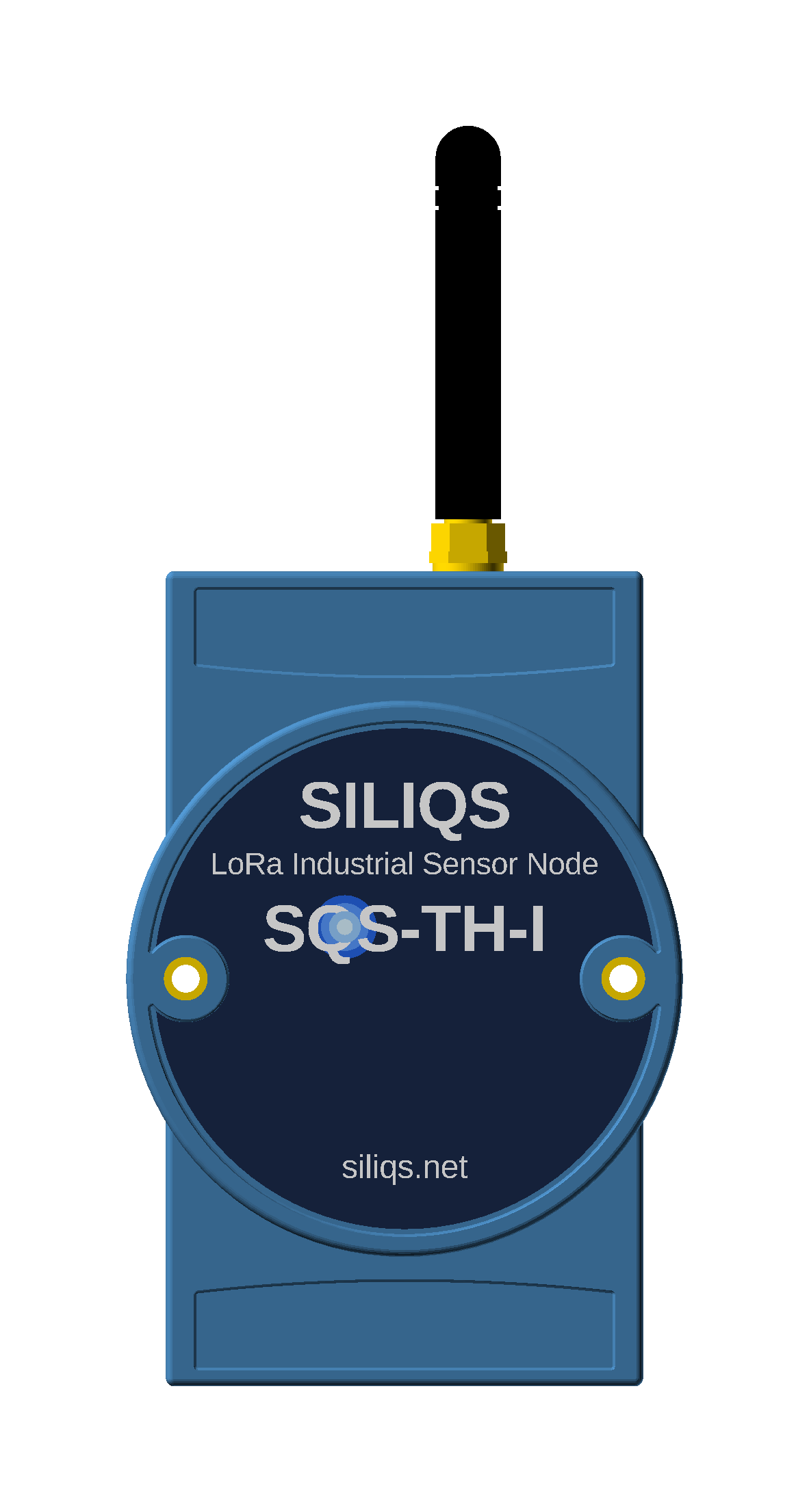
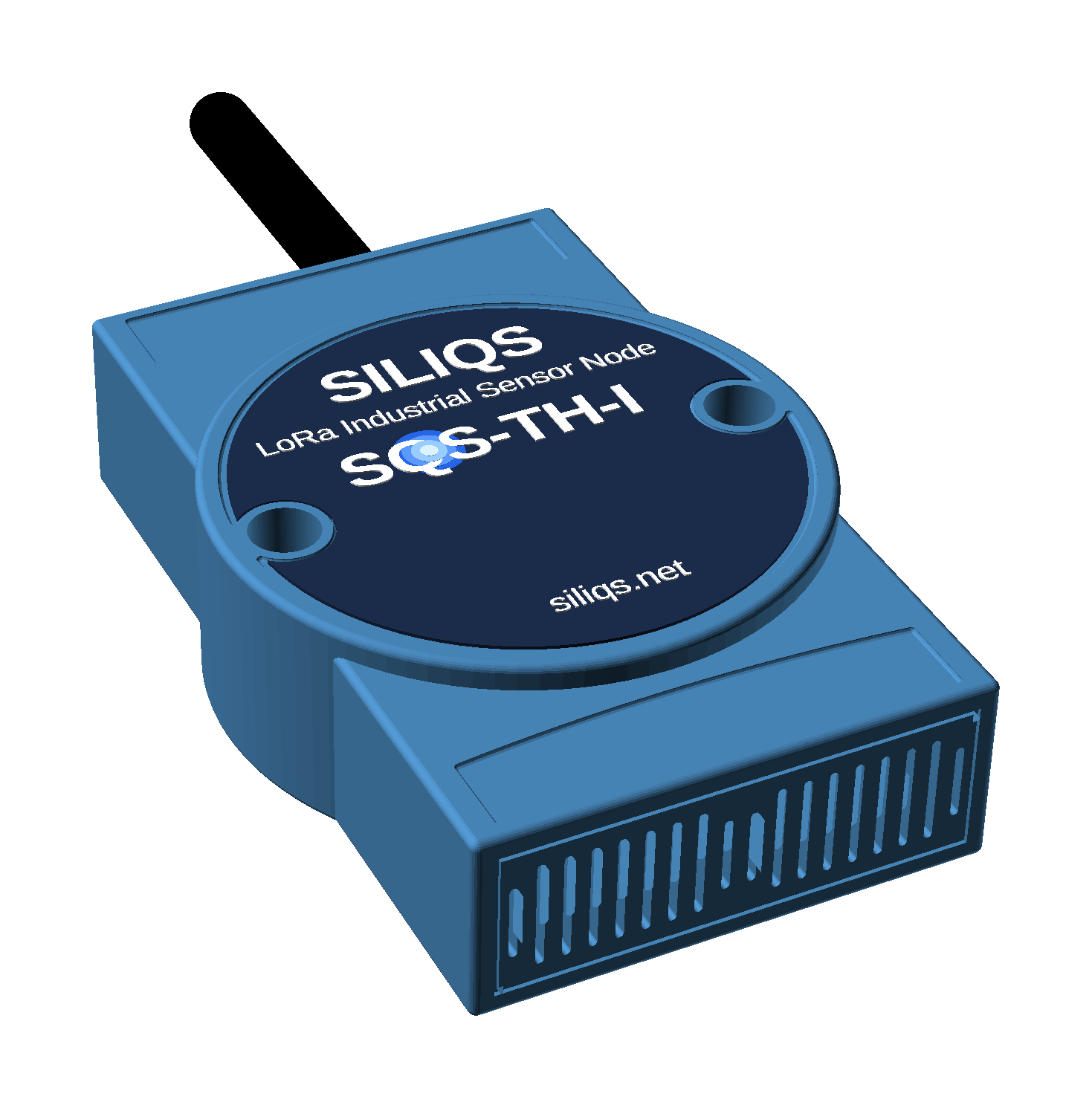
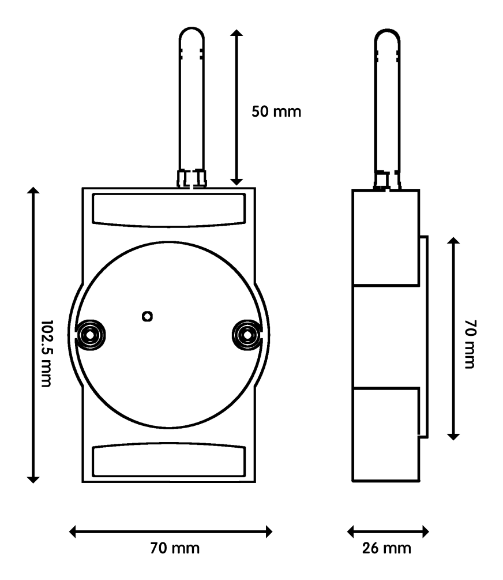
Shared SQS-TH-I platform datasheet, Rev 0.1 (preliminary) — Meshtastic (MH) firmware. It documents the battery variant; the base SQS-TH-I ships without the cell. A LoRaWAN® variant is planned.
NT$1,200 · in the preliminary-spec stage, before hardware prototyping. Register your interest and we’ll let you know when it’s available.